Sacramento has become a leading example of how urban and residential projects can promote sustainability while also addressing pest management in thoughtful, environmentally responsible ways. As the city continues to grow, developers, planners, and homeowners are increasingly adopting practices that balance ecological health with functional living spaces. These projects prioritize efficient resource use, reduced environmental impact, and proactive design strategies that discourage pest activity. By integrating sustainability into every phase of development, Sacramento is creating communities that are not only environmentally friendly but also more resilient and comfortable for residents.
Sustainable Design and Resource Efficiency
One of the key elements of Sacramento’s approach is the emphasis on sustainable design. Projects often incorporate features such as drought-resistant landscaping, energy-efficient systems, and water conservation techniques. These practices not only reduce resource consumption but also contribute to healthier outdoor environments. For example, using native plants that are well-adapted to the local climate minimizes the need for excessive watering, which in turn reduces standing water that can attract pests. This connection between sustainability and pest prevention highlights how thoughtful design can address multiple challenges at once.
Landscaping for Natural Pest Control
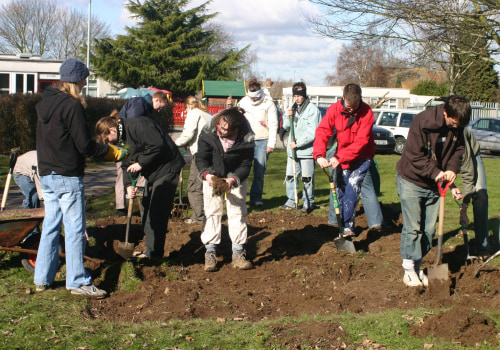
Landscaping plays a central role in Sacramento’s pest-conscious initiatives. By selecting plants that naturally repel insects and encourage beneficial species, projects create balanced ecosystems that reduce reliance on chemical pesticides. Proper spacing, soil management, and maintenance practices further enhance these benefits by eliminating conditions that pests thrive in. This approach not only supports environmental health but also creates outdoor spaces that are more enjoyable and easier to maintain. Collaboration with experts such as Critter Bros - Sacramento, CA can provide additional insight into managing pest concerns while preserving the integrity of sustainable designs.
Water Management and Habitat Control
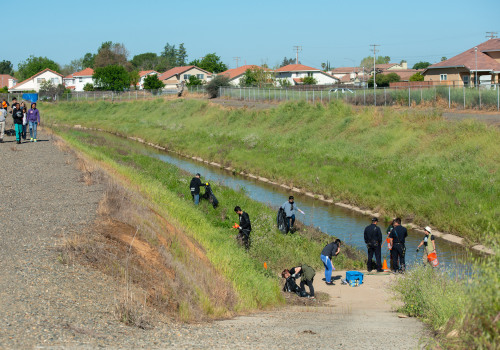
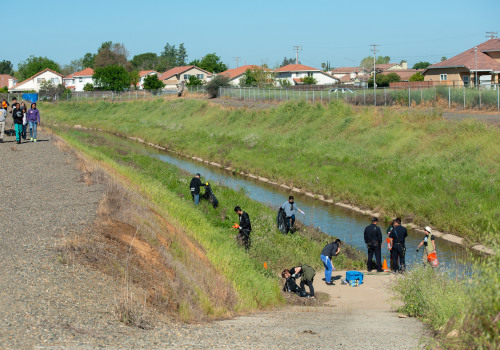
Effective water management is another critical component of these projects. Sacramento developments often include advanced drainage systems, permeable surfaces, and rainwater harvesting solutions to control moisture levels. By preventing water accumulation, these systems reduce breeding grounds for mosquitoes and other pests. At the same time, they help protect soil quality and prevent erosion, contributing to the overall stability of the landscape. This integrated approach ensures that water is used efficiently while also supporting pest prevention efforts.
Community Engagement and Education
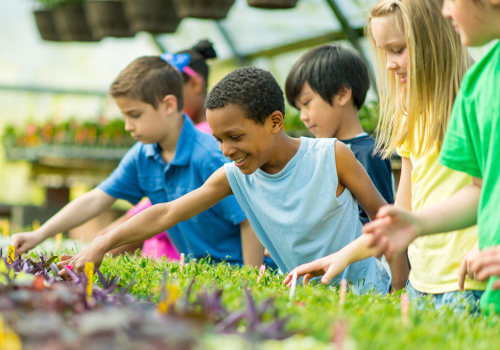
Sustainable and pest-conscious practices are most effective when supported by community awareness. Sacramento projects frequently include educational initiatives that inform residents about proper maintenance, waste management, and environmentally friendly practices. By empowering individuals with knowledge, these programs encourage ongoing participation in sustainability efforts. Residents learn how their actions—such as proper waste disposal and regular yard maintenance—can contribute to a healthier environment and reduce pest issues. This collective effort strengthens the impact of project-level initiatives.
Creating Healthier Living Environments
The combination of sustainable design and pest-conscious practices results in healthier living environments for Sacramento residents. Reduced reliance on chemical treatments, improved air and soil quality, and well-maintained outdoor spaces all contribute to overall well-being. These projects demonstrate that it is possible to create communities that are both environmentally responsible and highly functional. By addressing potential pest issues through design rather than reactive measures, Sacramento is setting a standard for proactive, sustainable development.
A Model for Future Development
Ultimately, Sacramento’s approach serves as a model for other regions looking to integrate sustainability with effective pest management. By focusing on design, resource efficiency, and community involvement, these projects create spaces that are resilient, attractive, and environmentally sound. The success of these initiatives highlights the importance of considering both ecological and practical factors in development, ensuring that communities can thrive while maintaining a balanced relationship with their natural surroundings.